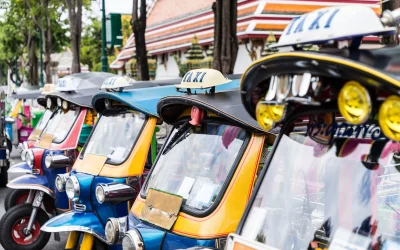
Cinema has the power to transform objects and places into true cultural icons. Among these, the car has always played a leading role, but there is a specific category of films that deserves special attention: films about taxis.
The link between taxis and cinema is deep, ranging from Scorsese’s cult masterpiece Taxi Driver , to “Il Tassinaro” with the splendid Alberto Sordi and Luc Besson’s TAXXI .
A symbol of urban movement, chance encounters and stories that intertwine in the chaos of the metropolis, the taxi is not just a means of transport in films. It often becomes a silent confidant, an escape route, or even a weapon.
How many times have you found yourself watching a scene set in the back seat of a yellow cab in New York or a black cab in London? Those moments are etched in our collective memory.
In this article we will take you on a journey through the history of cinema, exploring the films in which taxis were not simple extras, but real co-stars. We will discover together how these vehicles have helped define the atmosphere of unforgettable masterpieces and how cinema has shaped our perception of this essential service.
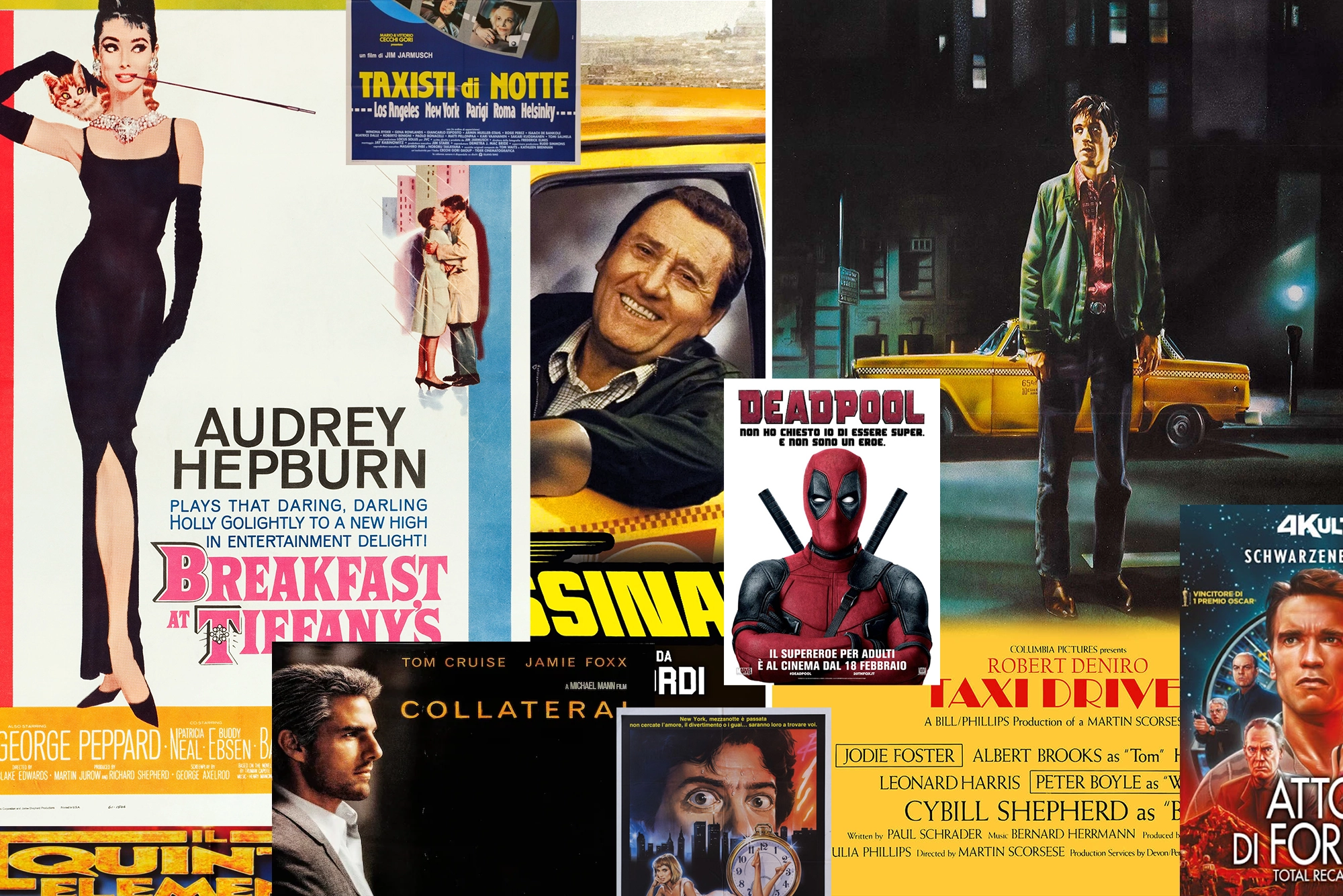
ICONIC TAXIS IN CINEMA:
- 1 Taxi Driver: The undisputed icon of New York "yellow"
- 2 Breakfast at Tiffany's: The taxi as a meeting place and goodbye
- 3 Taxxi (Taxi): Speed and action the French way
- 4 The Fifth Element: The Taxi of the Future
- 5 Collateral: The taxi as a claustrophobic trap
- 6 Deadpool: The taxi as a comic sidekick
- 7 Fuori Orario: The taxi driver on the surreal journey of the night
- 8 Act of Force: The Robotic Taxi from the Dystopian Future
- 9 Night on Earth: Five cities, five taxis
- 10 The Taxi Driver: A Journey Through Everyday Rome
- Why does cinema love taxis so much?
- The journey continues
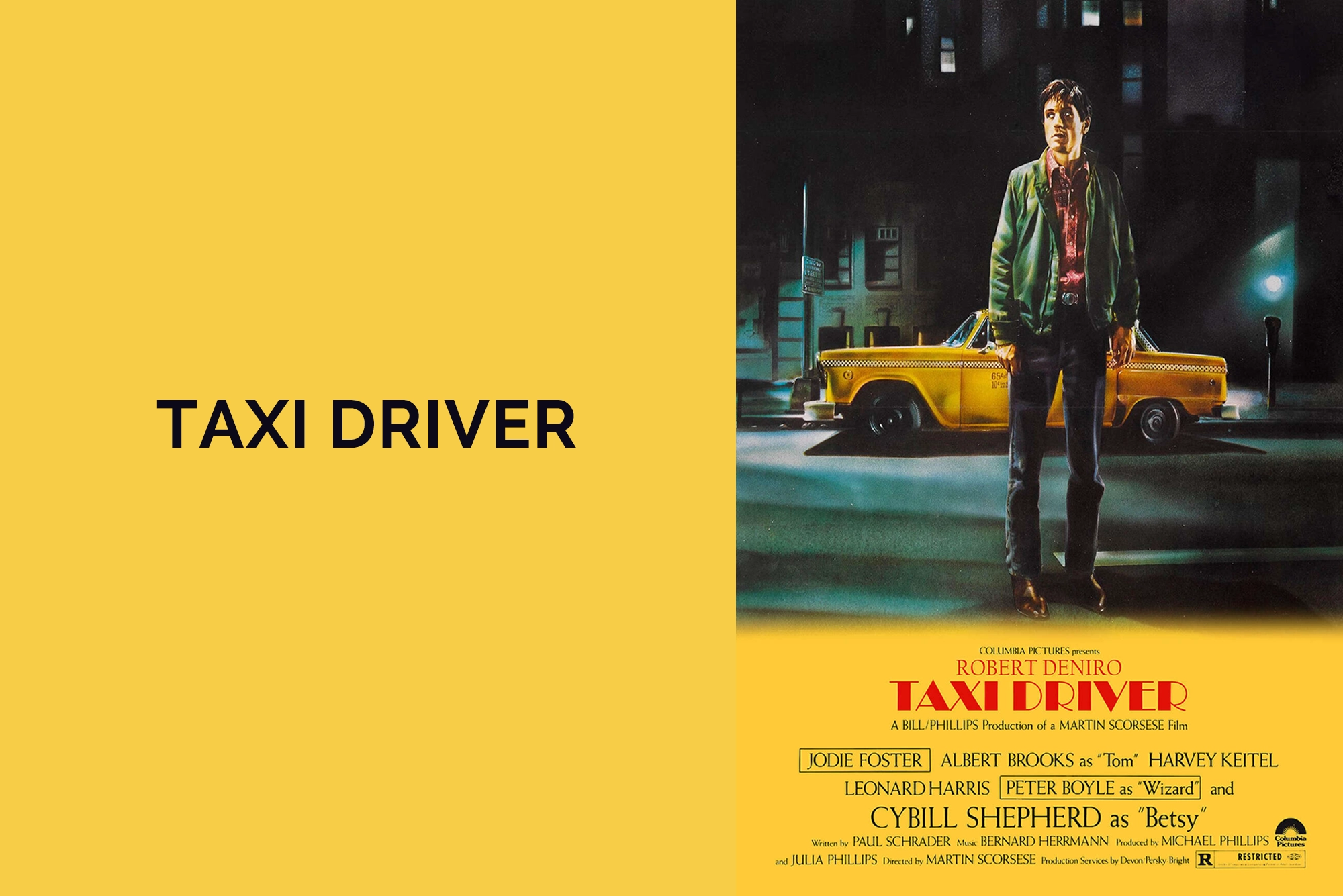
1 Taxi Driver: The undisputed icon of New York “yellow”
One cannot begin a discussion on taxis in cinema without mentioning Martin Scorsese’s Taxi Driver (1976). The film is not only a masterpiece of world cinema, but has contributed decisively to transforming the Checker Marathon, the classic yellow taxi of New York, from a simple urban icon to an immortal symbol of metropolitan alienation.
The protagonist, Travis Bickle, played by a masterful Robert De Niro, drives his taxi through the night streets of a decadent and dangerous New York. The car becomes his shell, a metal bubble from which he observes a world that he does not understand and that he ends up despising.
The Checker Marathon as a character extension
The vehicle in Taxi Driver is not chosen at random. The Checker Marathon was already widespread in New York at the time, known for its robustness, its heaviness and its reliability: a work car, built to resist. In the film, this physical solidity contrasts with Travis’ mental fragility, accentuating his inner conflict.
The interior of the taxi is often filmed through the rear-view mirror or from the windows of the passenger compartment, creating a voyeuristic perspective that forces the viewer to look at the city filtered by the disturbed gaze of the protagonist. The taxi is not just a means of transport, but a mental space, a claustrophobic observatory from which one of the most disturbing portraits of urban loneliness in cinema takes shape.
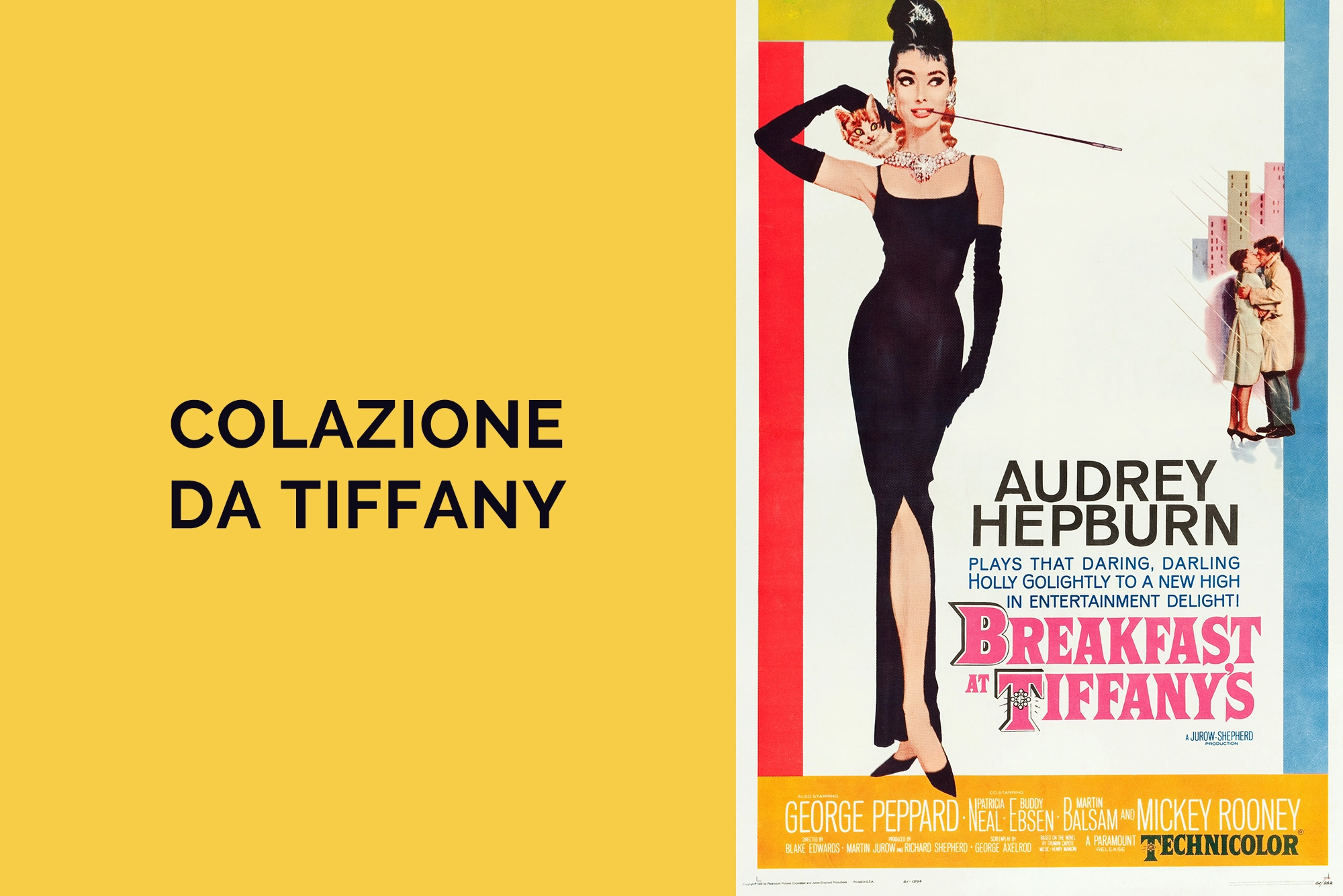
2 Breakfast at Tiffany’s: The taxi as a meeting place and goodbye
We completely change register and atmosphere. Breakfast at Tiffany’s (1961), the taxi represents something very different: it is the place of romantic emotions, confessions and final decisions.
Who doesn’t remember the final scene in the pouring rain? Holly Golightly (Audrey Hepburn) and Paul Varjak (George Peppard) are in a New York taxi. It is precisely inside that cockpit that the emotional climax of the film takes place. The taxi here is not a place of isolation as in Taxi Driver, but a transitional space where the characters must choose which direction to give to their lives.
The elegance of urban transport
In this classic, the taxi also symbolizes Holly’s freedom and independence. Getting around Manhattan by taxi is a sign of style, a way to navigate the urban jungle with class. The vehicle becomes a temporary refuge from the rain and the complications of life.
This depiction helped cement the romantic image of the taxi in romantic comedies. Even today, when we see a couple arguing or kissing in the back seat of a public car in a movie, our thoughts subconsciously run to that scene in the rain.
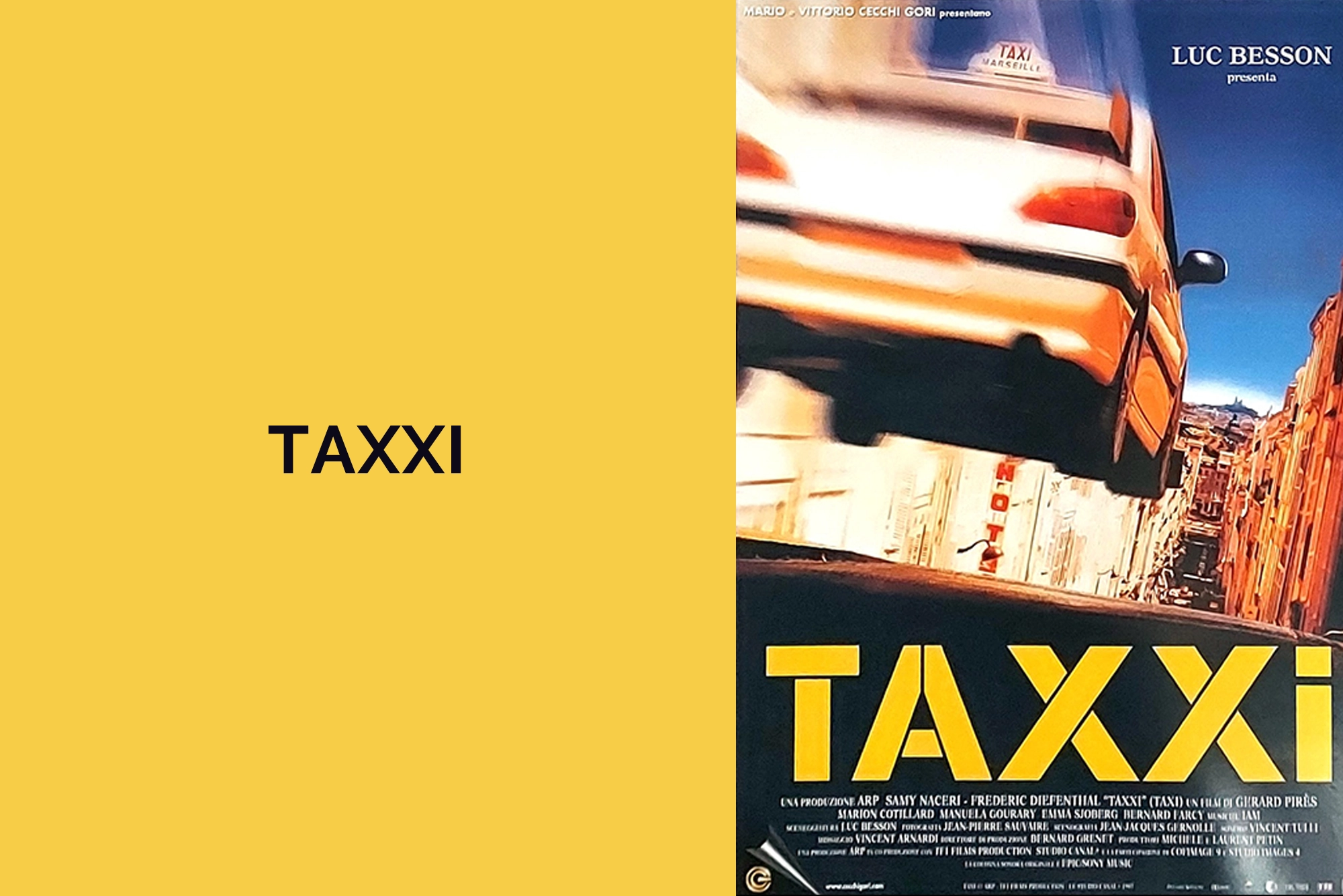
3 Taxxi (Taxi): Speed and action the French way
Let’s move to Europe, precisely to Marseille, with the French saga Taxxi (original title Taxi), started in 1998 and produced by Luc Besson. Here the taxi loses any melancholic or romantic connotation to become a pure racing car.
The protagonist Daniel drives a heavily modified white Peugeot 406. At first glance it looks like a normal taxi, but with the press of a few buttons it turns into a racing car capable of leaving the police behind and speeding through the alleys of the French city.
A new way of seeing the taxi driver
This saga revolutionized the image of the taxi driver in action cinema. No longer a passive observer or confidant, but a reckless and incredibly skilled action hero. The white Peugeot 406 has become an icon for car and film enthusiasts, proving that even a family sedan, if put in the right hands (or in the right script), can become legendary.
The film series plays on the idea that the taxi is the fastest way to cross the city, taking this concept to the extreme. It is a hymn to speed and efficiency, albeit in a comic and spectacular way.
4 The Fifth Element: The Taxi of the Future
Remaining in action and science fiction cinema, we cannot ignore The Fifth Element (1997). Luc Besson imagines what taxi service will be like in the 23rd century.
Korben Dallas, played by Bruce Willis, is a taxi driver who drives a flying vehicle through a vertical metropolis made up of endless skyscrapers and stratified air traffic. His cab is yellow, recalling the tradition of New York cabs, but it is full of futuristic gadgets and, of course, it flies.
The taxi as a symbol of connection
The Korben Dallas taxi is not only a futuristic means of transportation, but a symbol of connection between worlds and people. It is in the taxi that Leeloo and Korben meet for the first time, starting a journey that will change the fate of humanity. Leeloo, played by Milla Jovovich, is the personification of the Fifth Element, a supreme being created to protect life in the universe. Despite her strength and perfection, she discovers that her true power lies in love and human connection.
The flying taxi represents a place of transition, where the chaos of the futuristic city mixes with the intimacy of a chance encounter. As in real life, the taxi becomes a microcosm in which different lives intersect, demonstrating that even in the most ordinary moments something extraordinary can be born, like love that saves the world.
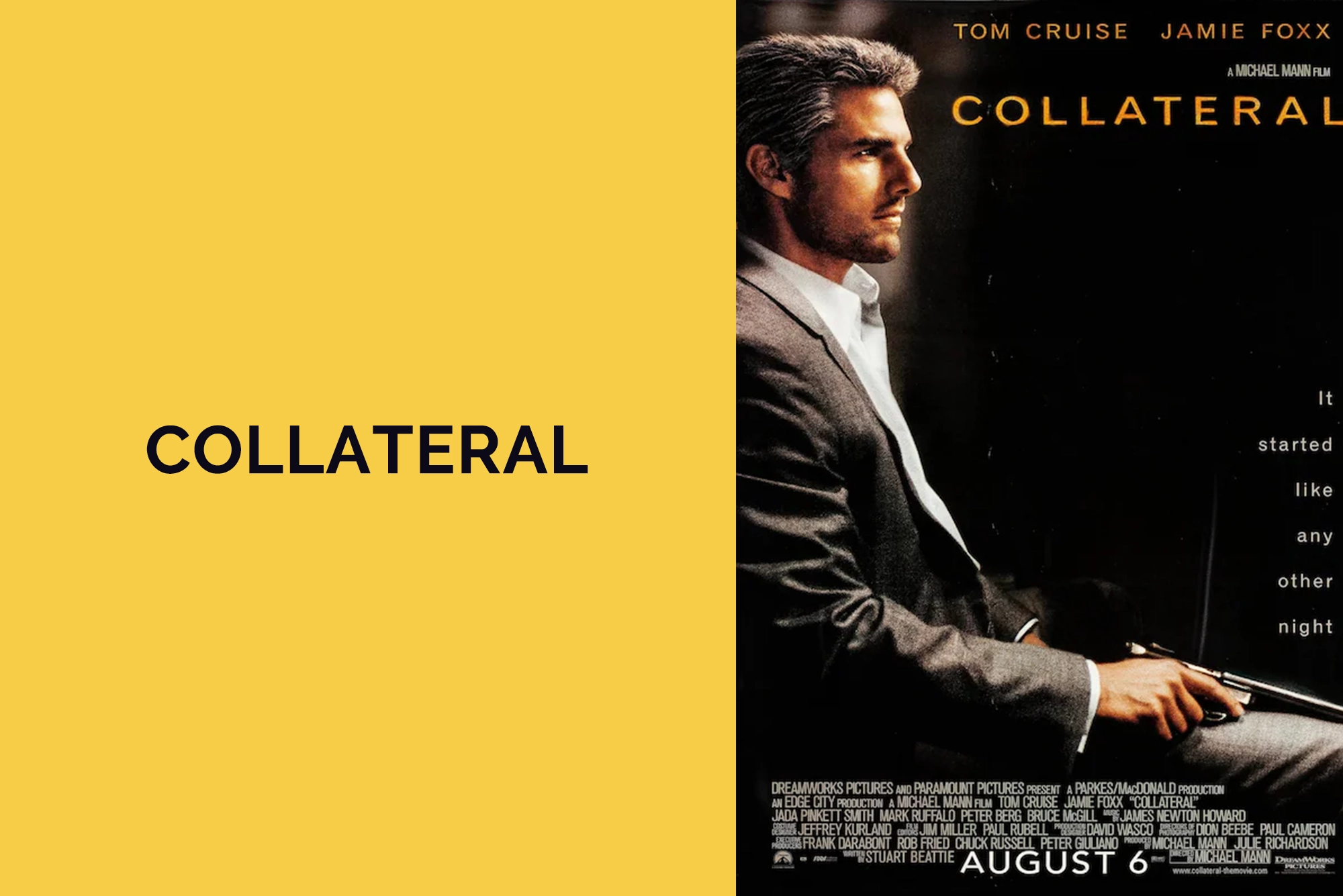
5 Collateral: The taxi as a claustrophobic trap
Let’s go back to the thriller with Michael Mann’s Collateral (2004). Tom Cruise plays a cold and ruthless hitman, while Jamie Foxx is Max, a precise and dreamy Los Angeles taxi driver.
Much of the film takes place inside Max’s taxi, a Ford Crown Victoria. Again, the choice of car is realistic: the Crown Victoria has been the backbone of American taxi fleets and police cars for years.
A confined space for a great drama
In Collateral, the taxi becomes a mobile prison. Max is a hostage in his own vehicle, forced to drive the killer from one target to another. The interior of the car is shot with digital cameras that capture the night light of Los Angeles in a raw and realistic way.
The film explores the intimate and forced relationship that is created between driver and passenger. In such a confined space, masks fall and personalities emerge. The taxi, a safe and familiar place for Max, is violated by the threatening presence of the passenger, turning the work routine into a nightmare. It is a masterful lesson on how the circumscribed environment of a car can amplify narrative tension.
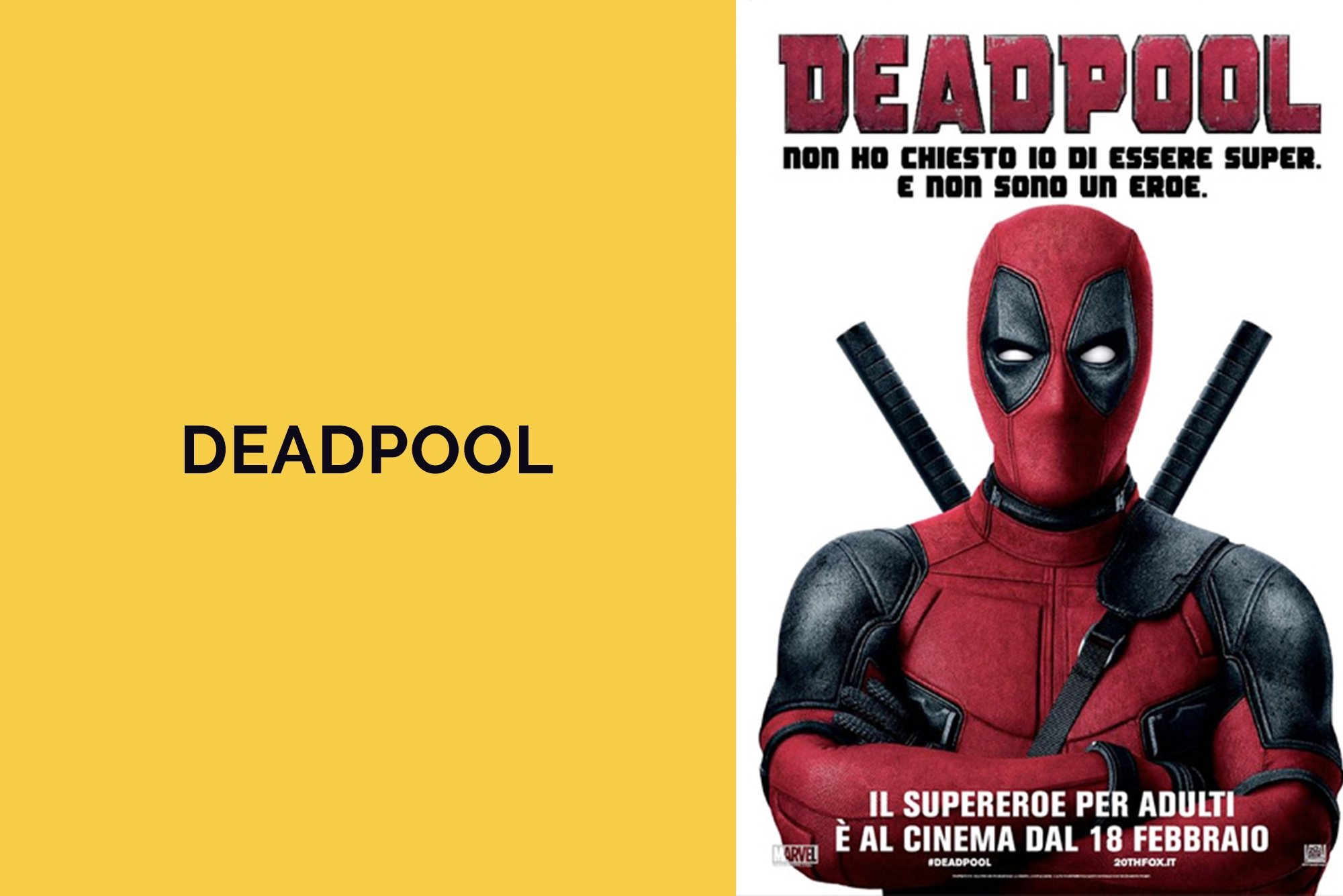
6 Deadpool: The taxi as a comic sidekick
Deadpool is a 2016 film directed by Tim Miller, based on the Marvel comic book character of the same name. It’s an irreverent, over-the-top action comedy that’s famous for its black humor, breaking the “fourth wall” (Deadpool speaks directly to the audience), and spectacular action scenes.
The plot follows Wade Wilson (played by Ryan Reynolds), a former mercenary turned anti-hero after an experiment that gives him regenerative powers but disfigures him. Deadpool seeks revenge against those who ruined his life, all seasoned with sharp jokes and over-the-top action.
When the journey is (very) over the top
In Deadpool (2016), the taxi is not just a simple means of transport, but becomes an essential part of the film’s narrative and comedy. The protagonist is often accompanied by taxi driver Dopinder, who turns into a real supporting actor, creating an irresistible and surreal duo.
The peculiarity of the taxi in Deadpool is all in the interactions between the two characters: sitting between the dirty seats, Deadpool and Dopinder discuss sentimental problems, personal vendettas and crazy missions with tones that are always over the top. The car is not distinguished by its design or technology, but by its being a moving scene of comic sketches and bizarre confessions. The taxi, in this case, is used to exasperate the contrast between everyday reality and the absurd and violent world of superheroes.
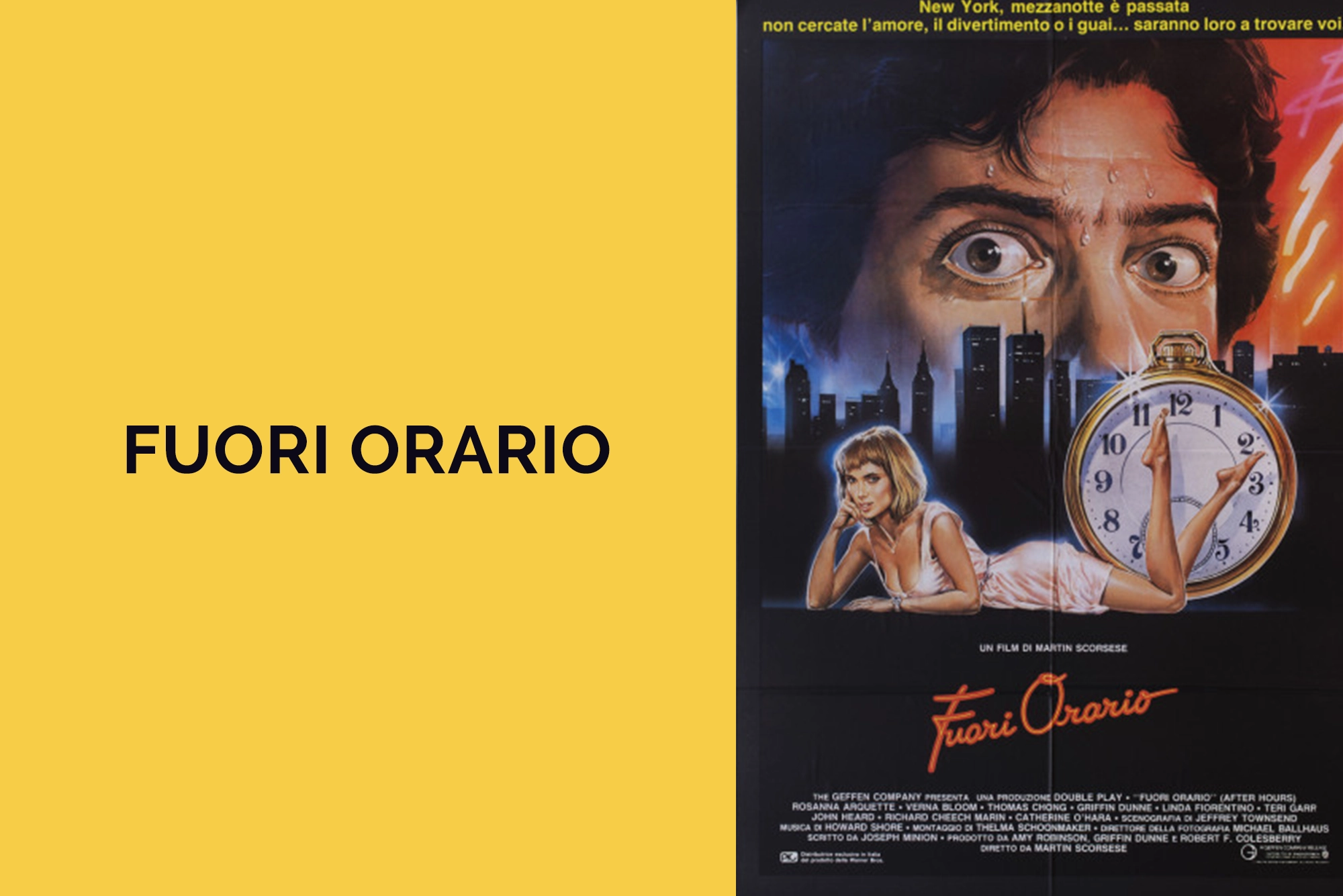
7 Fuori Orario: The taxi driver on the surreal journey of the night
In Martin Scorsese’s After Hours (1985), the taxi represents the narrative trigger of a night that progressively escapes all logic. The protagonist, Paul Hackett, after taking a taxi to SoHo, finds himself immersed in an increasingly alienating New York at night, starting a chain of unfortunate and paradoxical events.
The taxi as a portal to the absurd
The role of the taxi in the construction of the story is brief but significant. The initial run does not accompany Paul throughout the story, but marks the transition from the daily routine to a territory dominated by the absurd. The driver appears as one of the first figures who introduces the protagonist to an unpredictable world, anticipating the bizarre humanity that will characterize the entire nocturnal odyssey.
In Fuori Orario, the taxi is therefore not a simple means of transport, but a real narrative threshold. It is the moment of transition that introduces the viewer to an upside-down world, made up of unstable rules, grotesque encounters and increasingly claustrophobic situations, contributing decisively to the surreal and anxiety-inducing tone of the film.
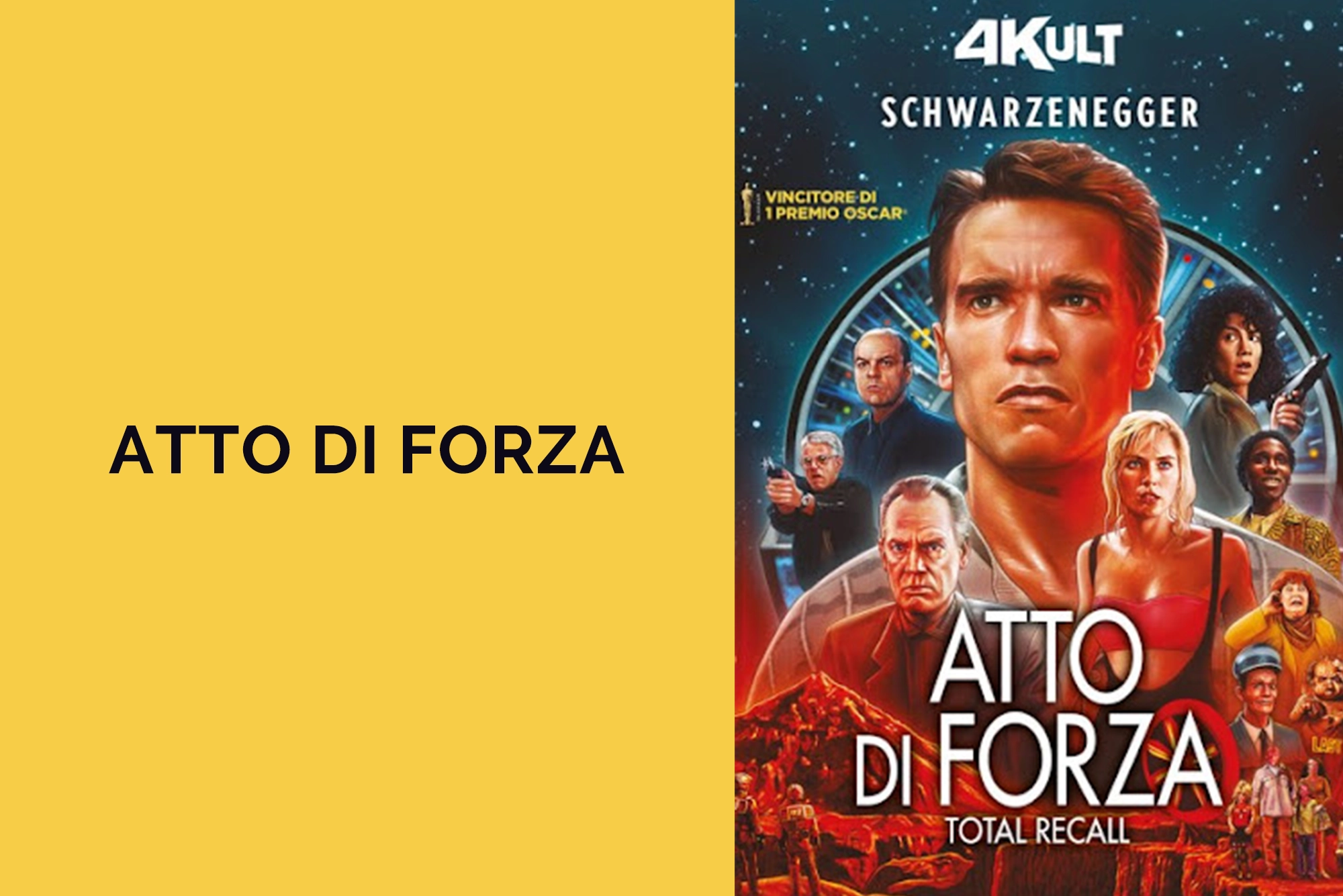
8 Act of Force: The Robotic Taxi from the Dystopian Future
Act of Force (1990), directed by Paul Verhoeven and starring Arnold Schwarzenegger, takes the concept of taxis to a futuristic and dystopian dimension on Mars, with the famous automated taxis called Johnny Cab.
Johnny Cab, the robot taxi driver
In the world of Total Recall, characters often travel aboard Johnny Cabs, small autonomous vehicles driven by a human-looking android, with deliberately caricatured movements and mechanical responses. The design recalls the machines of the 50s and 60s, but with fully automated functions. The robot has a voice and comic interactions that generate both tension and moments of humor.
Symbol of anxiety and irony on technology
The Johnny Cab represents man’s loss of control in a highly technological society. In one of the scenes, Quaid is forced to detach the robot to personally drive the taxi and escape from enemies, transforming the vehicle into an escape tool and at the same time a source of comedy.
The robotic taxi is therefore both a futuristic means of transport and a narrative element that highlights the combination of danger, irony and technology of the world of Act of Force: even on Mars, the need to move remains central, but a robot takes care of driving.
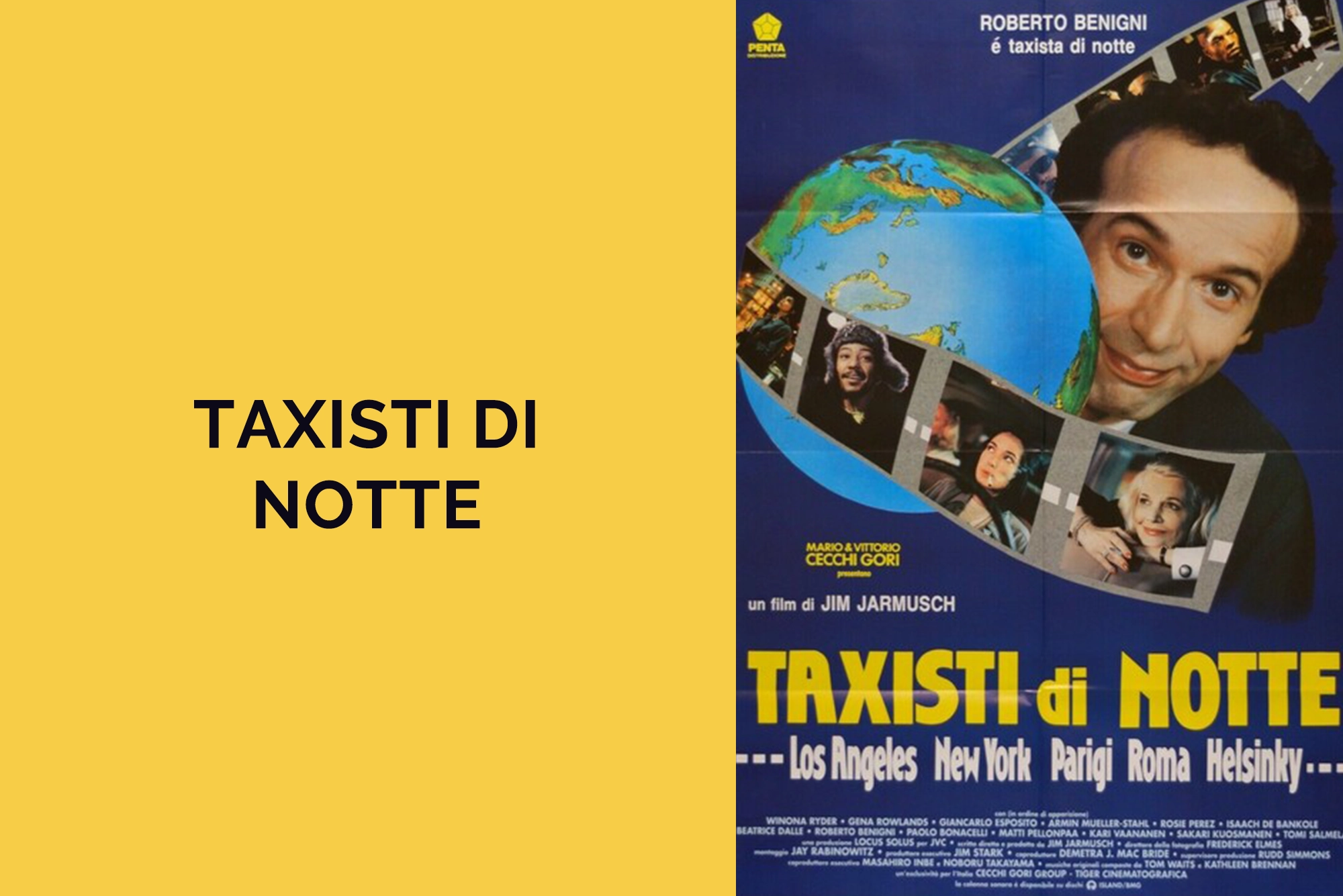
9 Night on Earth: Five cities, five taxis
Jim Jarmusch’s Night Taxi Drivers (1991) is considered a cult film for how it uses the taxi as a universal thread for five stories set simultaneously in different cities around the world: Los Angeles, New York, Paris, Rome and Helsinki.
Five journeys, one humanity
Jarmusch builds the narrative around five taxi drivers, each with their own unique character and cultural context.
- Los Angeles: Young taxi driver Corky, played by Winona Ryder, transports a casting agent who tries to convince her to become an actress, creating funny and thoughtful dialogues about life and aspirations.
- New York: an immigrant taxi driver from Eastern Europe has to face the city with a passenger who guides and provokes him, giving rise to comical and touching situations.
- Paris: An Ivorian taxi driver leads a blind passenger, generating deep and thoughtful conversations about perceptions of the world and life.
- Rome: A talkative taxi driver, played by Roberto Benigni, transports a priest who is feeling ill, telling eccentric stories and creating comic moments that reveal his chatty and impertinent character.
- Helsinki: A melancholic episode shows a taxi driver having to manage three drunk workers during the night, with conversations that explore everyday life and loneliness.
In Taxi Drivers at Night, the taxi becomes a social and confessional microcosm, connecting lives that would normally never meet. Each journey contains a piece of the world and unexpected intimacy, demonstrating that even behind the windshield of a taxi the universality of the human experience can emerge.
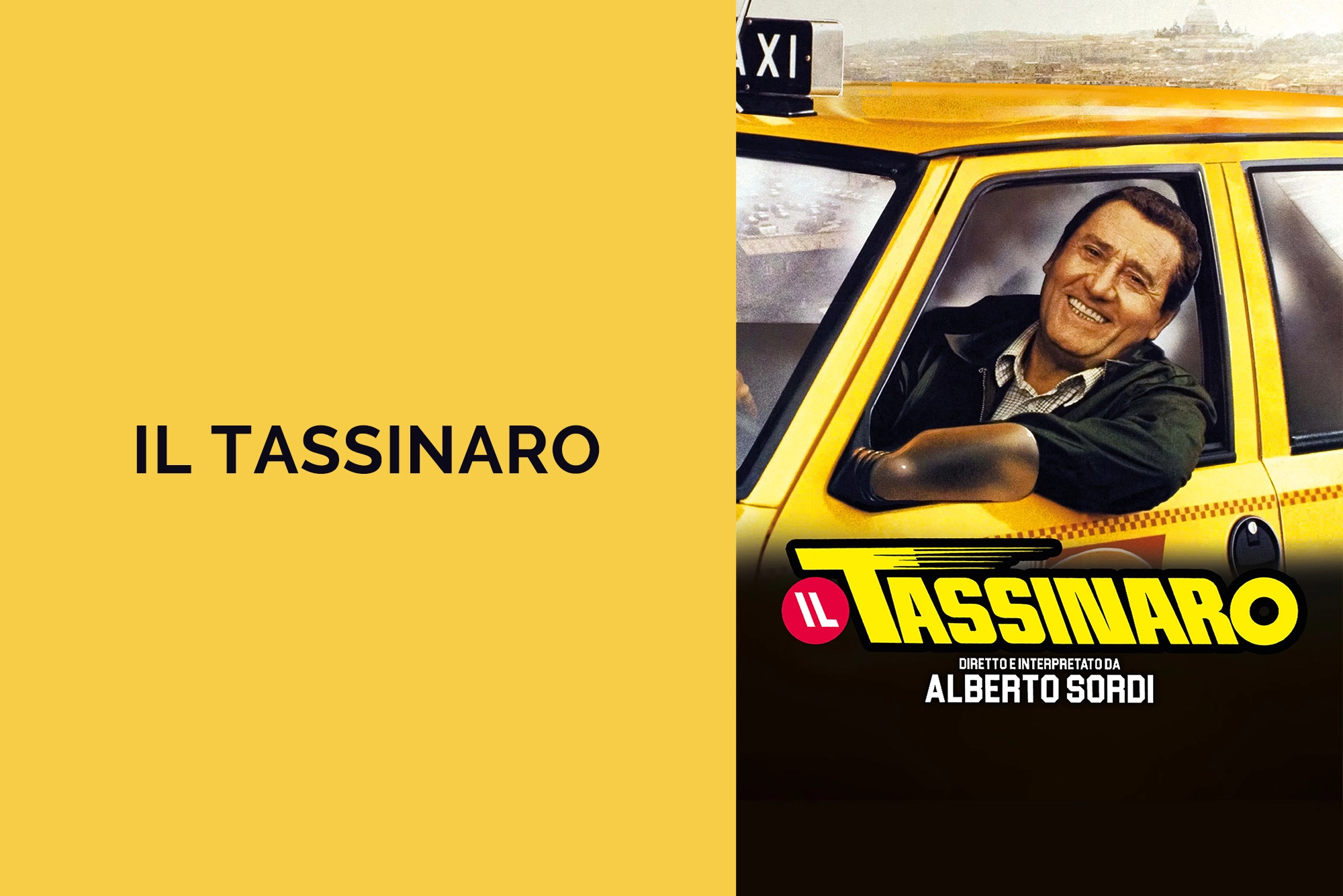
10 The Taxi Driver: A Journey Through Everyday Rome
Il tassinaro (1983), directed and starring Alberto Sordi, is an Italian comedy that puts Rome in the eighties observed from the seat of a taxi at the center of the narrative. Sordi plays Pietro Marchetti, a Roman taxi driver who, day after day, transports customers of all kinds through the eternal city.
A mosaic of Roman humanity
The film stands out for its ironic and affectionate tone in telling the great little stories of a lively and chaotic city. During his races, Pietro finds himself interacting with politicians, intellectuals, ordinary people and even famous people, each bearer of small dramas, dreams and Italian cunning. The conversations and short encounters outline a true social mosaic, rich in nuances and humor, reflecting the changes and contradictions of Rome at the time.
The taxi as a “social observatory”
Sordi uses the taxi as a pretext to explore and criticize with his usual wit the vices, virtues and transformations of Italian society. The film is a sort of “city novel” narrated from the privileged point of view of those who, driving, listen and observe the life that flows day after day through the streets of Rome.
Why does cinema love taxis so much?
After analyzing these examples, it is legitimate to ask: why are filmmakers so obsessed with taxis?
There are several reasons that explain this enduring appeal:
1. It is a confessional space
The taxi is one of the few places where two people who do not know each other are in close physical proximity, often without looking directly into each other’s eyes (one is driving, the other is behind). This configuration promotes confidence. It’s easier to tell your secrets to someone you’ll never see again. For a screenwriter, it’s the perfect gimmick for narrative exposition.
2. Represents transition
In movies, characters are always evolving. Taxi travel physically represents this change. You go from one place to another, from one situation to another. It is the moment suspended between the “before” and the “after”, where crucial decisions are often made.
3. It is the symbol of the city
There is no better way to establish the urban setting of a film than to show a specific taxi. A black taxi immediately tells us that we are in London; a green Beetle takes us to Mexico City (at least until a few years ago); a Toyota Crown places us in Tokyo or Hong Kong. The taxi is an integral part of the city’s visual architecture.
4. Offers anonymity and escape
For the characters on the run, the taxi is salvation. It is an anonymous vehicle that gets confused in traffic. It allows you to disappear, to sow pursuers, or simply to find a moment of peace away from prying eyes.

The journey continues
The link between cinema and taxis is indissoluble and will continue to evolve. From the romantic allure of New York taxis to intense stories like the one told by the Korean film A Taxi Driver (2017), which shows the courage of a taxi driver caught up in dramatic historical events, the magic of the taxi as a vehicle for new destinations and encounters will always remain relevant.
The next time you get into a taxi, think about all the stories that have passed on that seat. Even if you’re not in a movie, you’re the protagonist of your own journey.
Have a good trip and enjoy the viewing!
NOTE: The images taken from the official websites of the locations mentioned are published for illustrative and informational purposes only, non-profit. All rights belong to the legitimate owners; The author does not claim any ownership of it. We remain available for the immediate removal of the material if requested by the right holders.