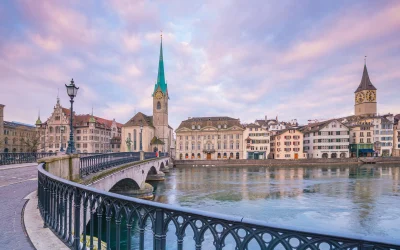
Get ready to discover the strangest taxis in the world: bizarre vehicles, born from local imagination and ingenuity, which turn every ride into a journey out of the ordinary.
Forget the idea of the taxi as a simple yellow car: in the world there are vehicles that become local legends, true symbols of creativity and identity. From Thai tuk-tuks to Indian rickshaws, Cuban coco taxis to iconic Venetian speedboats, these transports tell surprising stories and turn every ride into a unique adventure.
Here are the strangest, most curious and craziest taxis that exist in the world:
The most extravagant “land” taxis
Most public transport takes place by land, but in some cases the solutions adopted are anything but trivial. In many countries, the need to move nimbly through traffic or to transport many people at low cost has generated unique vehicles.
Jeepney – Philippines
Born out of necessity and transformed by Filipino flair, Jeepneys are much more than just a means of transport: they are a cultural icon.
Their story begins after World War II, when U.S. troops left numerous military jeeps in the Philippines . Instead of scrapping them, the ingenious local mechanics modified them: they lengthened the frame to accommodate more people and added a roof to protect them from the sun and rain.
Today, Jeepneys are among the most popular vehicles on Philippine roads and are famous for their flamboyant and personalized decorations. Many vehicles are true works of art on wheels, with vibrant paintwork, bright chrome, religious imagery, comic book characters and catchphrases.
They function as small buses with a fixed route and represent a fundamental part of local public transport. Getting on board is also a social experience: passengers sit face to face on two side benches and, to pay, pass the coins from hand to hand until they reach the driver, in a spontaneous gesture of collaboration between travelers.
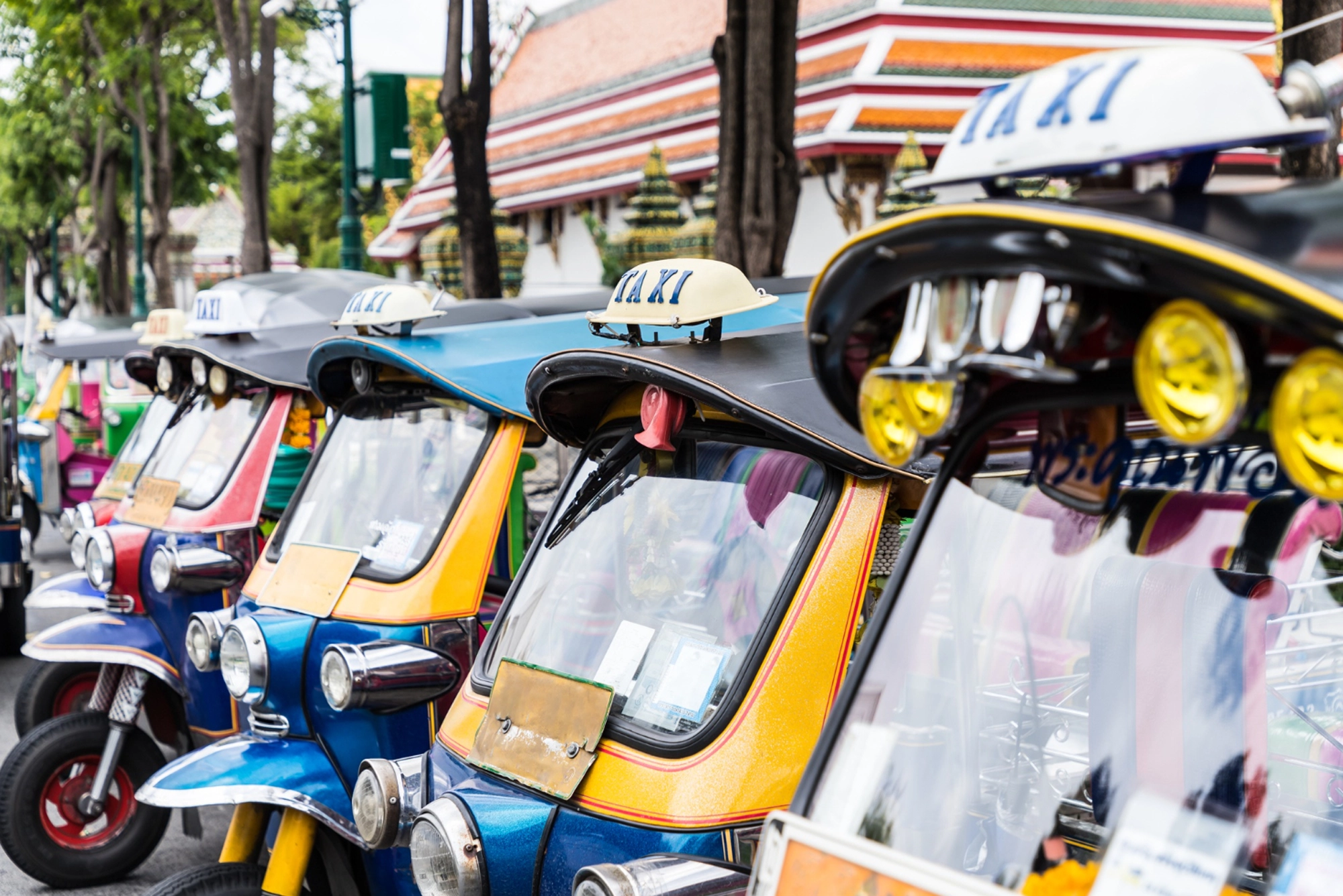
Tuk-tuk – Southeast Asia
Widespread throughout Asia, but especially in Thailand, India and Sri Lanka, Tuk-Tuks are small three-wheeled taxis, one of the most recognizable and characteristic means of transport in large Asian cities.
The name “tuk-tuk” comes from the onomatopoeic sound of the engine of the first models. This type of vehicle derives from auto-rickshaws, small motorized vehicles developed in Asia in the twentieth century.
A tuk-tuk has three wheels (one in front and two in the back), an open or semi-open cabin with space for 2-3 passengers behind the driver, and a small engine, often similar to that of a motorcycle. Thanks to their small size, they are the ideal way to extricate yourself from the chaotic traffic of metropolises such as Bangkok, Delhi and Colombo, offering a quick and cheap way to travel short distances.
In some cities, they’re plain, but in others, they’re brightly decorated with LED lights, stickers, and loud music. The thrill of whizzing through markets and temples aboard a tuk-tuk is a unique experience. Recently, electric and less polluting versions are also appearing, and in many tourist areas they are used for city tours.
Cycle rickshaw – India
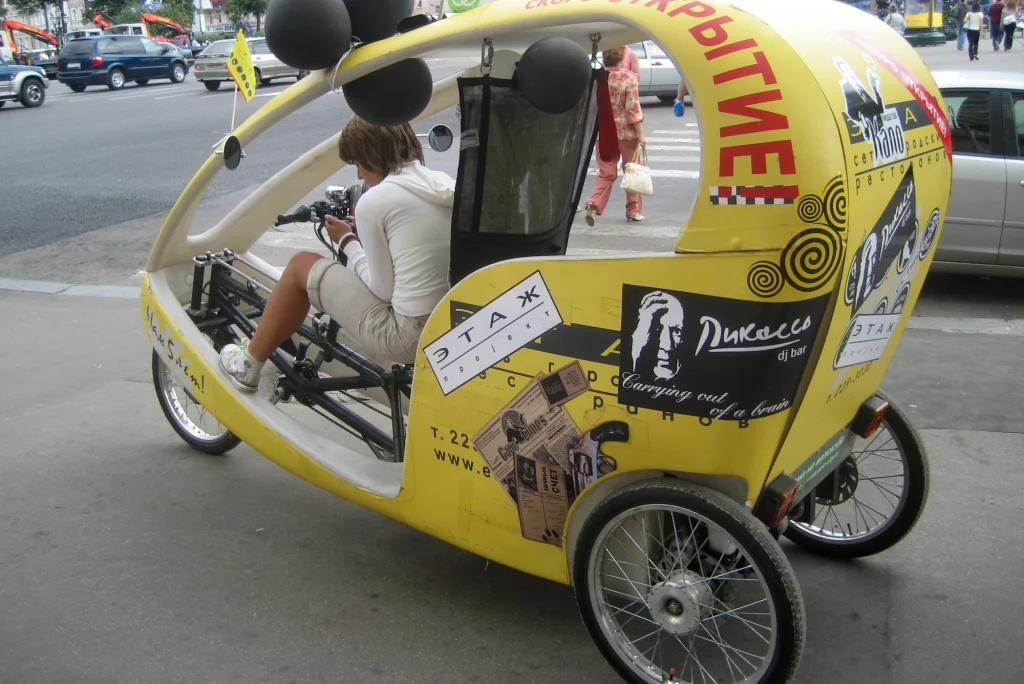
In densely populated cities like Delhi, the engine gives way to pure muscle power. Here the most popular means of transport for short distances is not the “bicitaxi”, but the cycle rickshaw.
This three-wheeled, pedal-operated vehicle consists of a front seat for the driver and a rear seat for one or two passengers, often protected by a cover against sun or rain.
The slow pace of the cycle rickshaw allows you to observe daily life up close, especially in the oldest districts of cities such as Delhi, Kolkata and Varanasi, where it manages to squeeze into alleys inaccessible to cars and buses. Without the noise of an engine, you can fully immerse yourself in the voices of street vendors and the sounds of the city.
The term rickshaw derives from the Japanese jinrikisha (“human-powered vehicle”). Originally they were towed by hand, but today the pedal version coexists with motorized auto-rickshaws. Driving a cycle rickshaw is a physically exhausting job, which is why alternatives such as electric rickshaws are becoming popular to ease the fatigue of drivers.
Pedicab – New York City
The western version of the cycle rickshaw found a big hit in New York City: The Pedicabs. They mainly circulate around Central Park and the chaotic Midtown Manhattan area. They offer tourists a relaxing break from long walks, allowing them to admire the skyscrapers from the comfort of their seats.
Compared to traditional yellow taxis, the pedicab promotes more human interaction. It also offers an open 360-degree view of New York’s famous streets.
Motorcycle Taxis – Brazil, Africa and Asia
Motorcycle taxis are a type of motorcycle taxi that is popular in cities with heavy traffic or narrow streets. Unlike traditional taxis, the passenger sits behind the driver, and the vehicle can move quickly through urban traffic.
Motorcycle taxis are common in Asia, Africa, and Latin America.
Some famous examples:
- Xe ôm in Vietnam (Ho Chi Minh City and Hanoi)
- Ojeks in Indonesia (Jakarta and Bali)
- Boda-boda in Uganda and Kenya
- Okada in Nigeria
- Motorcycle taxis in Brazil, Peru and Bolivia
In many cities, motorcycle taxis can be booked through ride-hailing apps such as GrabBike, Gojek or Uber Moto.
These are fastand economical vehicles, ideal for short distances and for moving on narrow or very busy roads. Today almost all motorized motorcycle taxis are motorized, while in the past there were only in some regions pedal-like vehicles called cycle rickshaws, used as urban transport but different from modern motorcycle taxis.
Trabi-Safari – Berlin
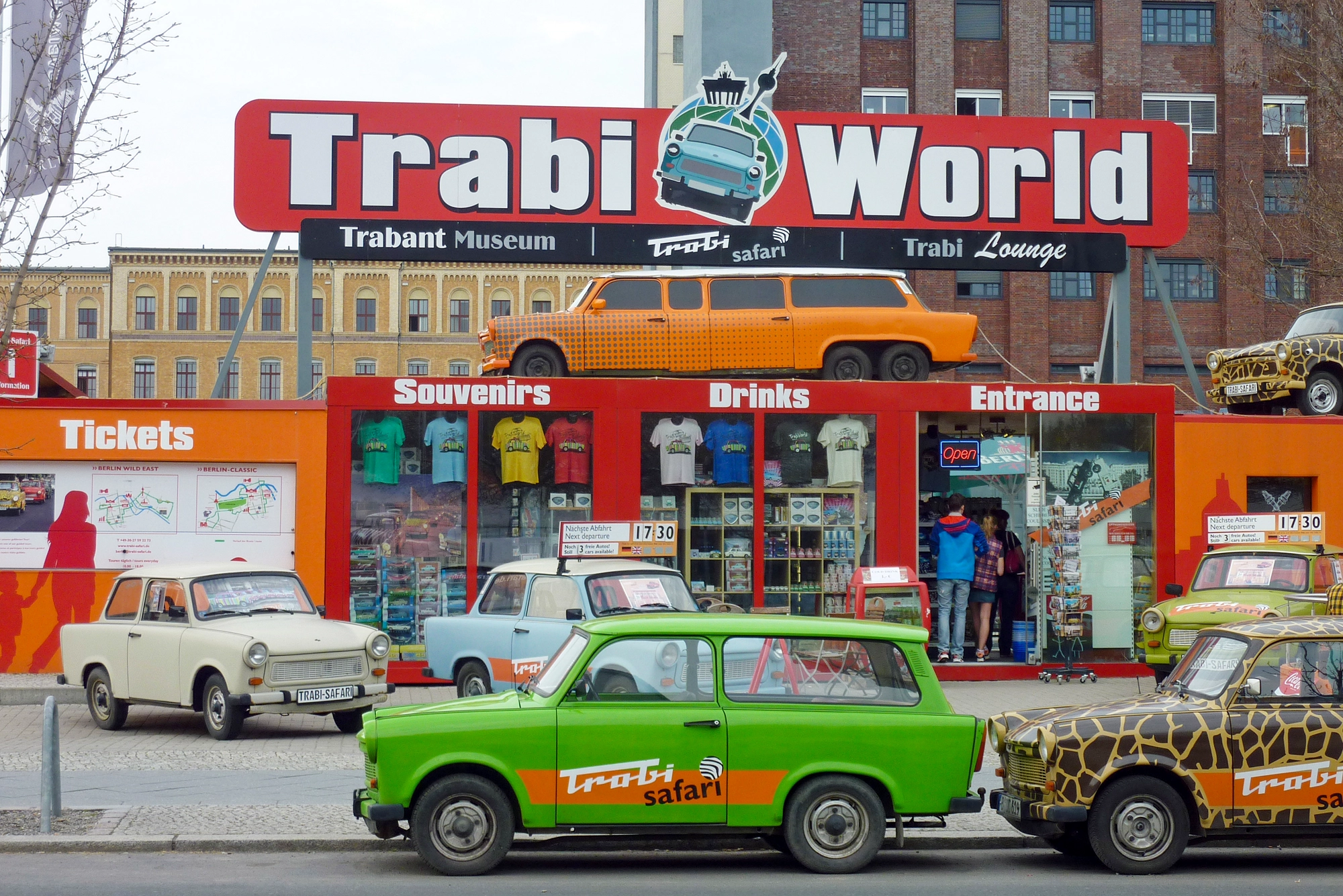
In Berlin, the iconic East German car, the Trabant, has been transformed into a tourist attraction: the “Trabi-Safari Taxi”.
This experience allows you to board a Trabi and visit the city in a unique way. You can choose to drive yourself, or have an experienced driver accompany you.
Tours typically pass through Berlin’s iconic landmarks , such as the remains of the Wall, the Brandenburg Gate, and Alexanderplatz.
Driving a Trabant is a fun and unusual experience. These lightweight cars with a square design are a real piece of GDR history. Listening to their distinctive roaring engine as you explore the historical points of the German capital makes the history tangible and offers a completely different perspective on the city.
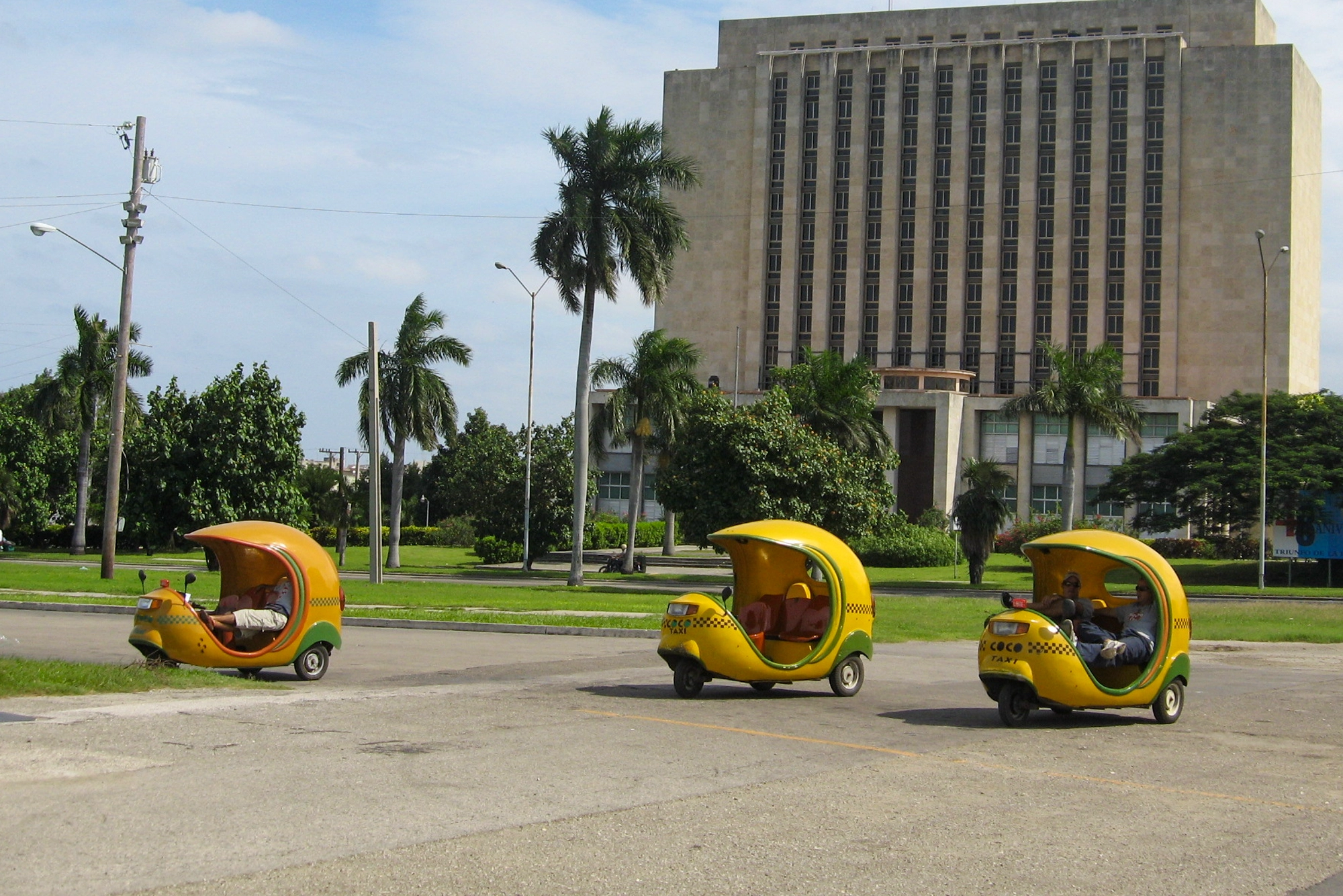
Coco Taxi – Havana, Cuba
Walking through Havana, it is impossible not to notice small three-wheeled vehicles of a bright yellow that move nimbly among the vintage cars. They are the famous Coco Taxis, so called because their fiberglass body resembles the shape of a coconut.
Created in the 90s to offer a fast and fun alternative to traditional taxis, these three-wheeled vehicles have become an icon of Cuba. They typically accommodate two passengers behind the driver and, being open on the sides, offer a panoramic view perfect for admiring the city.
You will find them mainly in the tourist areas of Havana, such as La Habana Vieja, the Malecón and the Vedado district, but they are also present in other tourist spots such as Varadero.
Traveling aboard a Coco Taxi, feeling the breeze as you travel along the famous waterfront, is an experience that allows you to fully immerse yourself in the vibrant Cuban atmosphere.
Keke Napep – Nigeria
In Nigeria, the motorized tricycle known as Keke Napep is one of the most important and widespread means of urban transportation in the country. Present in busy cities such as Lagos, Abuja and Kano, this three-wheeled shared taxi is Nigeria’s answer to the Asian tuk-tuk .
Its name derives from the union of “keke”, a local term that recalls the sound of the vehicle, and “NAPEP”, an acronym for the National Poverty Eradication Programme, a government program that in the early 2000s promoted its diffusion to create jobs and regularize the sector. It should be noted that some motorized tricycles existed even before the NAPEP program, but their diffusion and standardization took place thanks to this project.
Agile and manoeuvrable, Keke Napeps generally carry 2–3 passengers (up to 4 in some models) and are essential for navigating chaotic city traffic, offering an economical alternative to traditional buses and taxis. Often equipped with canvas or plastic covers to protect against rain, they are a tireless element of busy Nigerian urban life.
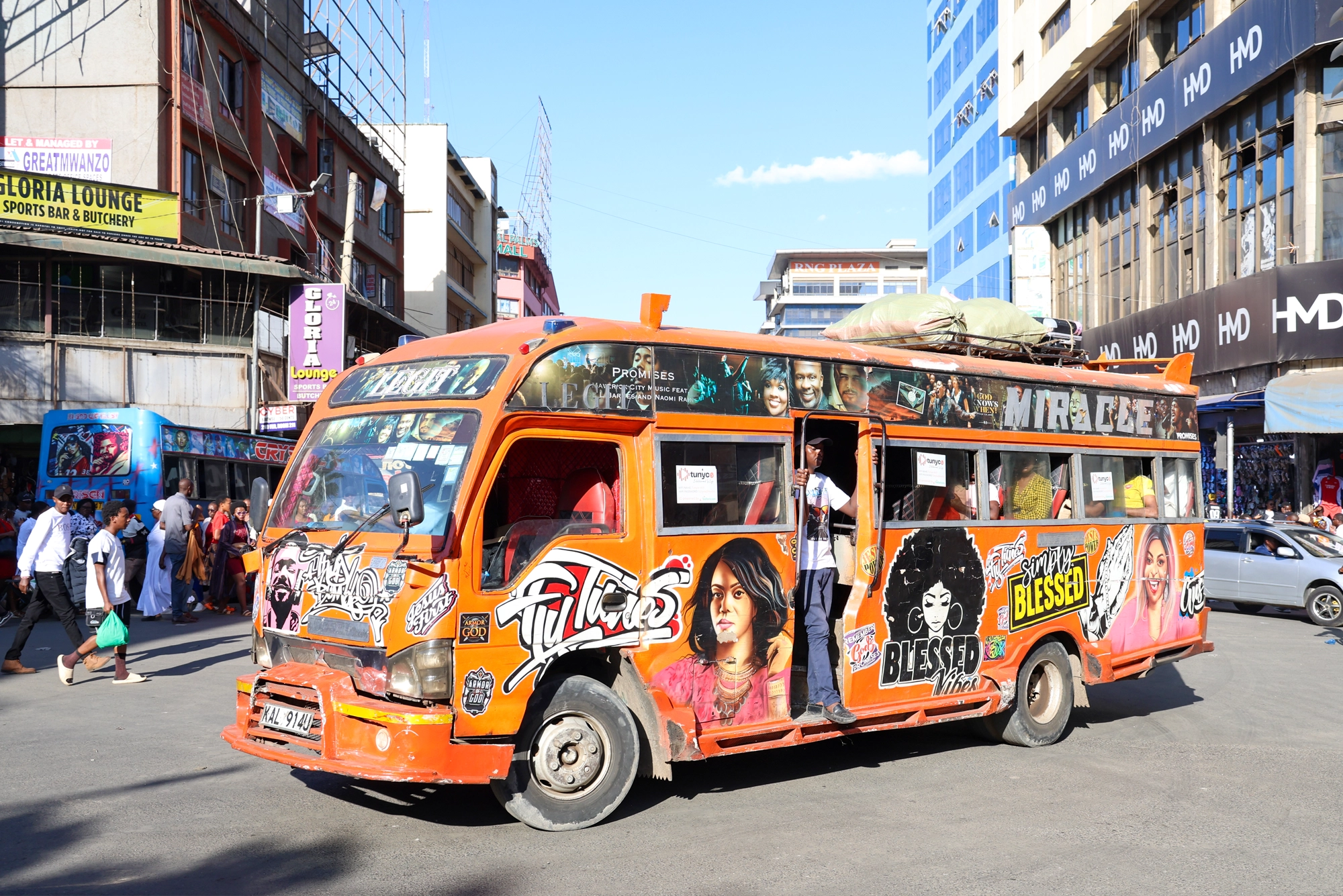
Matatu – Kenya
The Matatu is an extremely popular minibus in Kenya, especially in the cities of Nairobi, Mombasa, Kisumu and Nakuru. It is one of the main means of urban transport and represents a fundamental component of the daily mobility of the population. Its name derives from the Swahili “tatu”, meaning “three”, probably referring to local traditions related to the vehicle, such as the original number of passengers or other historical interpretations.
These vehicles, which generally carry 10 to 30 passengers, are driven by a driver and often assisted by a “makanga”, an attendant who collects the money and manages the stops. While following set routes, they can stop along the way to pick up or drop off passengers.
The Matatus are not just means of transport: they represent a form of Kenyan urban culture. Many are brightly decorated with graffiti, images of celebrities and pop culture symbols. On board, it’s not uncommon to find stereo systems playing loud music, turning the trip into an immersive experience in Kenya’s vibrant youth culture.
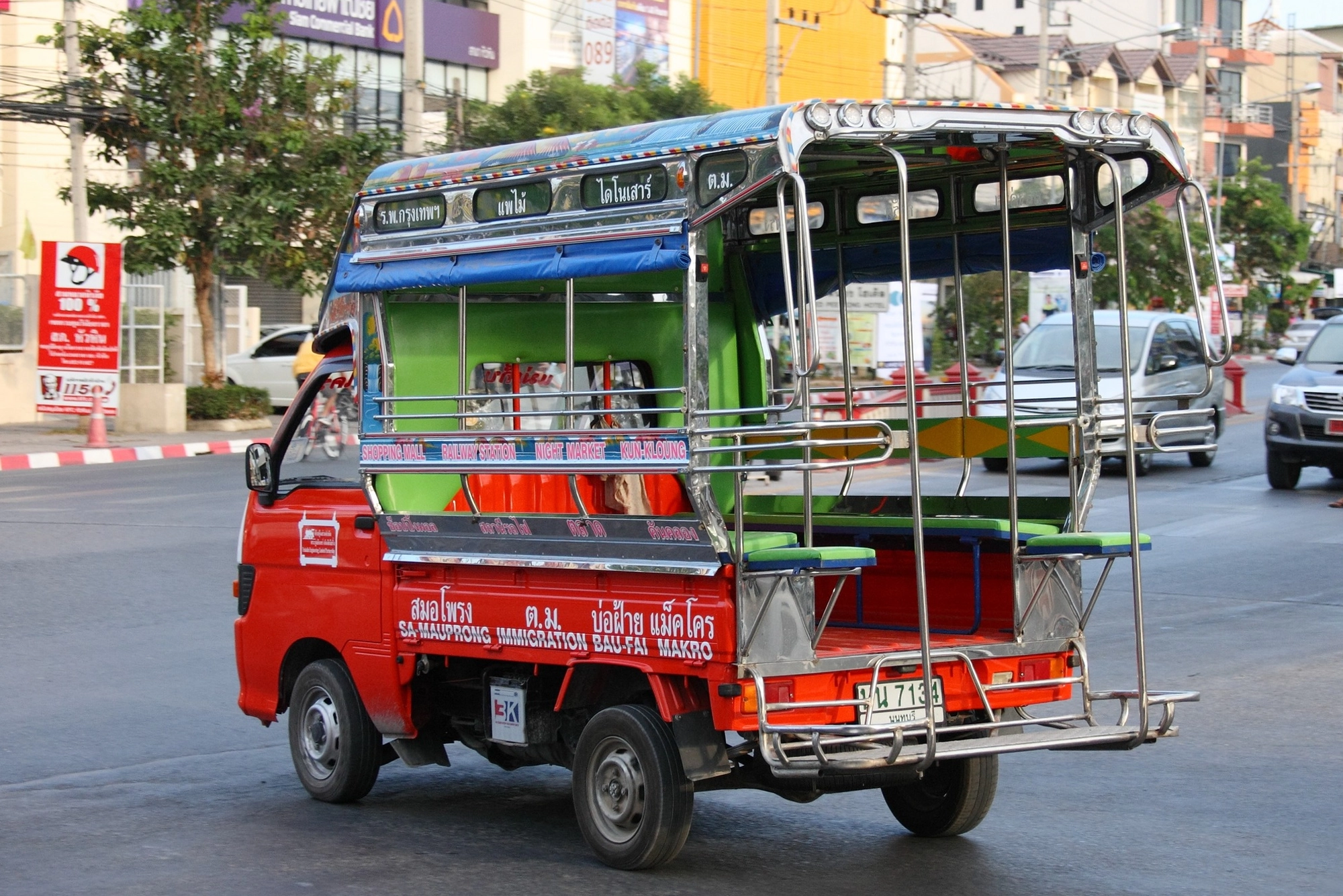
Songthaew – Thailand
Songthaews are a shared means of transport typical of Thailand, especially widespread outside the center of Bangkok and in tourist areas. The name literally means “two rows”, describing the interior layout of the vehicle: a modified pick-up or small truck, with two parallel benches in the rear body covered by a roof.
These shared taxis, which generally carry 8–12 passengers, operate both on fixed routes and as private hired taxis. To get on, just stop them with a wave of your hand; To get off, the driver is usually warned verbally, as not all vehicles have an automatic stop button.
Often painted in bright colors and ornate, Songthaews offer an affordable, authentic, and social travel experience, allowing you to move around like locals and share space with other travelers and locals.
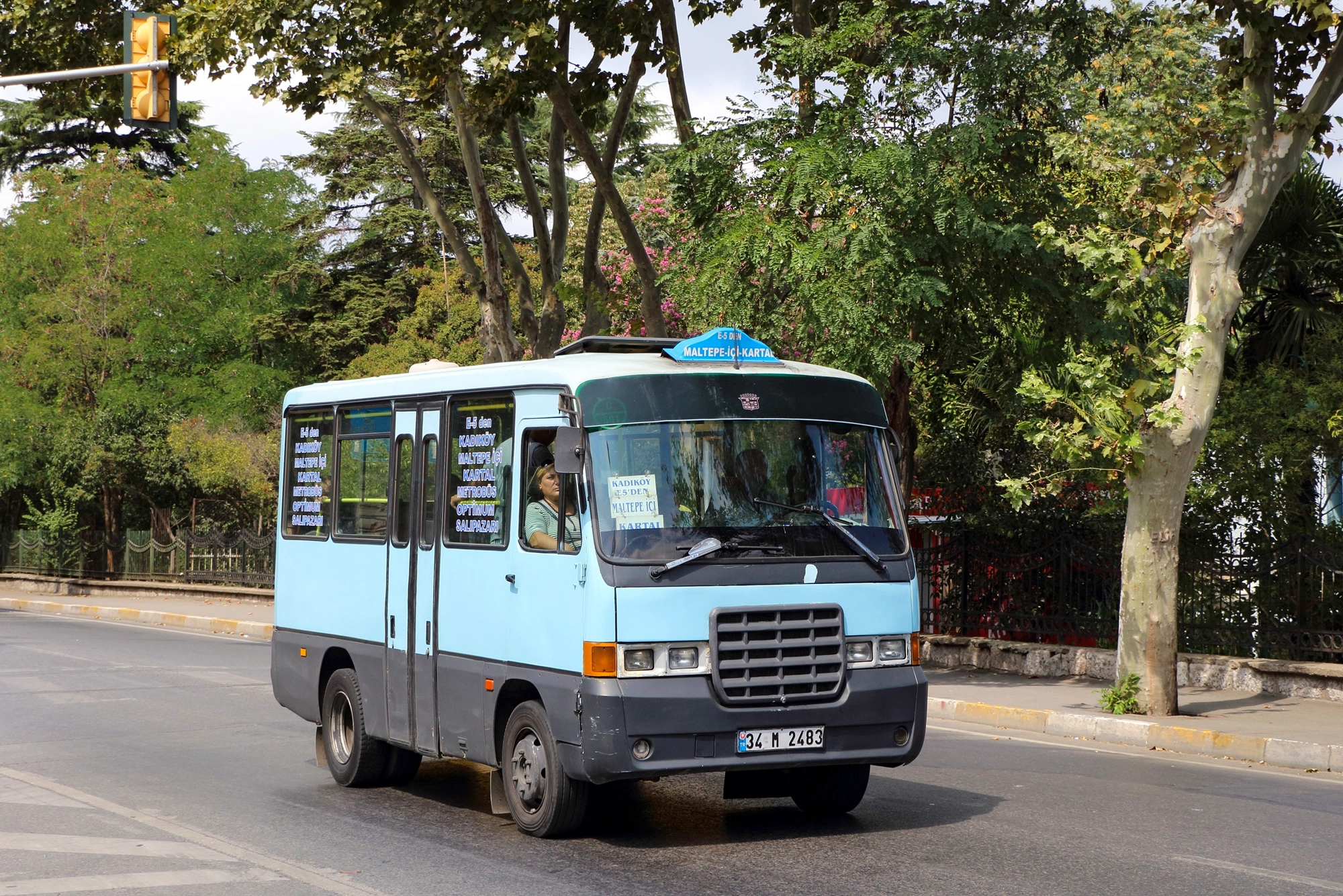
Dolmuş – Istanbul
In Istanbul, heavy traffic can be bypassed more easily thanks to the use of Dolmuş, a means of public transport typical of Turkey. The word Dolmuş literally means “full”, because the vehicle only leaves when it has reached a sufficient number of passengers.
Dolmuş are shared minibuses or vans that follow set routes, but unlike traditional buses, they mainly stop at usual points along the route to pick up or drop off passengers. Payment is made directly to the driver when boarding or disembarking, with no money being passed between passengers.
This means of transport is widespread not only in large cities such as Istanbul, Izmir and Ankara, but also to connect small towns and villages. It offers an economical, fast, and convivial travel experience, allowing you to move around like the locals and share space with other passengers.
Water taxis
When rivers, canals or the sea dominate the urban landscape, boats become the means of transport par excellence. The water offers alternative routes that avoid the stress of road traffic, often offering breathtaking views and relaxed atmospheres.
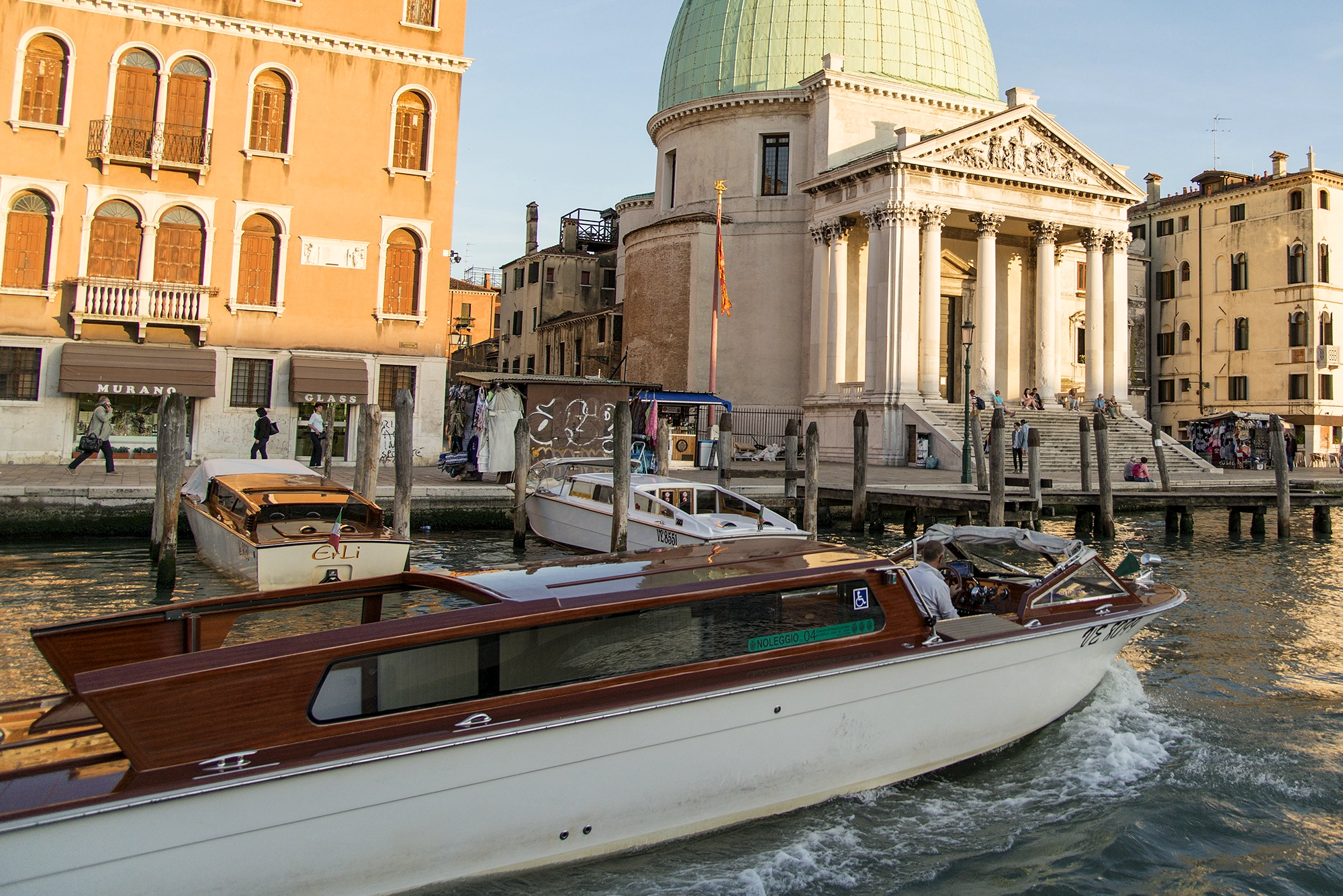
Water Taxi – Venice
Venice enjoys world fame for the total absence of cars and for its network of canals. Here, the water taxi takes the form of a luxurious mahogany wood motorboat, with attention to every detail. These gleaming vehicles offer the quickest and most exclusive way to get from the airport to the Old Town.
Water taxi drivers know every pitfall of the Venetian lagoon by heart. They expertly navigate through the narrowest canals, offering passengers impeccable service. Although expensive, a trip on these speedboats gives you a lasting memory of the floating city.
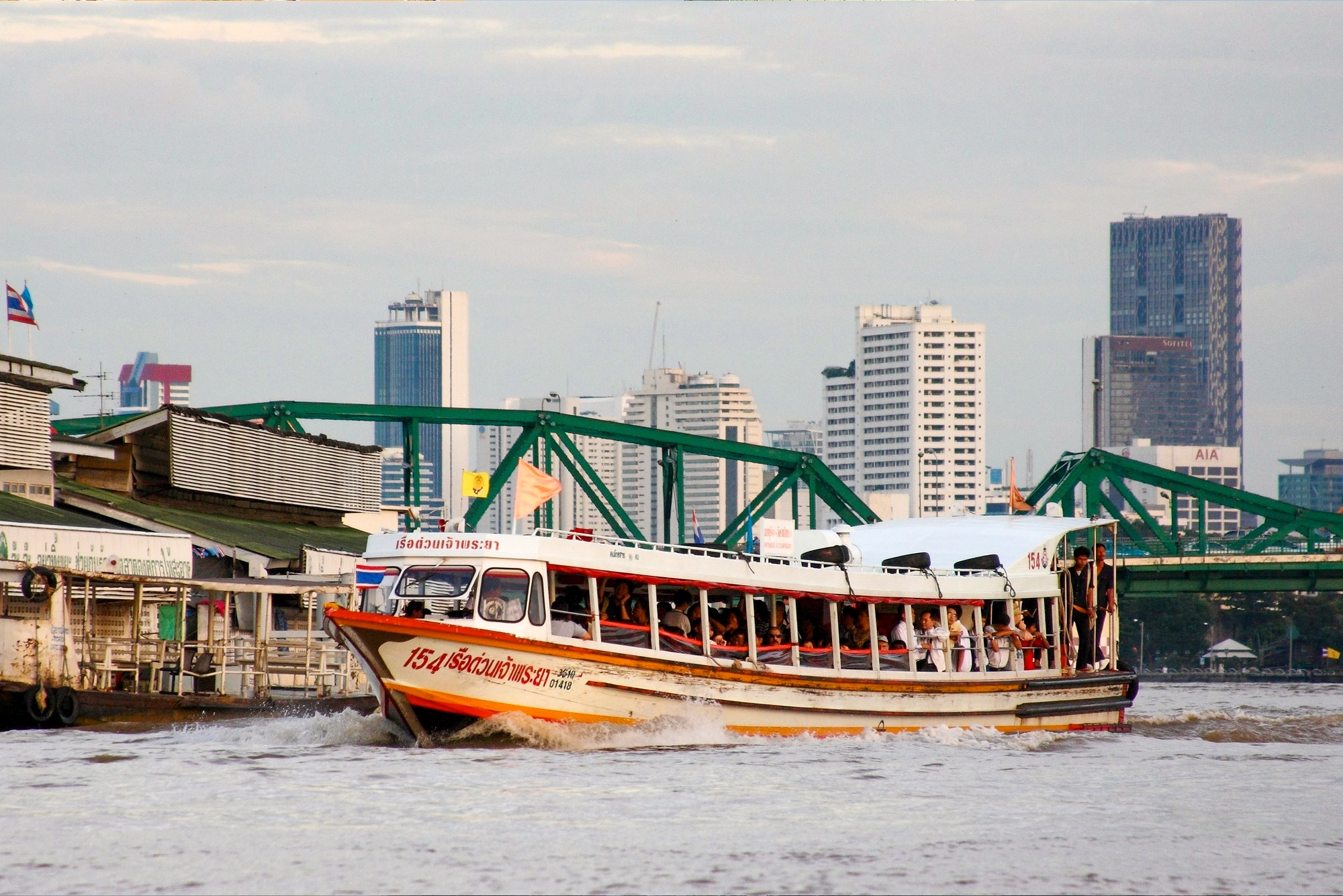
Bangkok River Taxi – Thailand
The Chao Phraya River is Bangkok’s vital artery and its waters are crossed by River Taxis (or “Chao Phraya Express Boats”), an essential public transport system for locals and tourists alike. Every day, thousands of people use them to get around quickly, avoiding the notorious traffic of the Thai capital.
Unlike Venice’s private water taxis, Bangkok’s River Taxis are public boats that follow set routes, stopping at specific piers along the river. You pay a cheap ticket before boarding or directly to the staff, and enjoy the ride. There are different types of boats, often distinguishable by the color of the flag, from the fastest to the tourist ones with seats.
Using this service is not only an efficient way to get around, but also a unique opportunity to admire iconic attractions such as Wat Arun and the Grand Palace from the river.
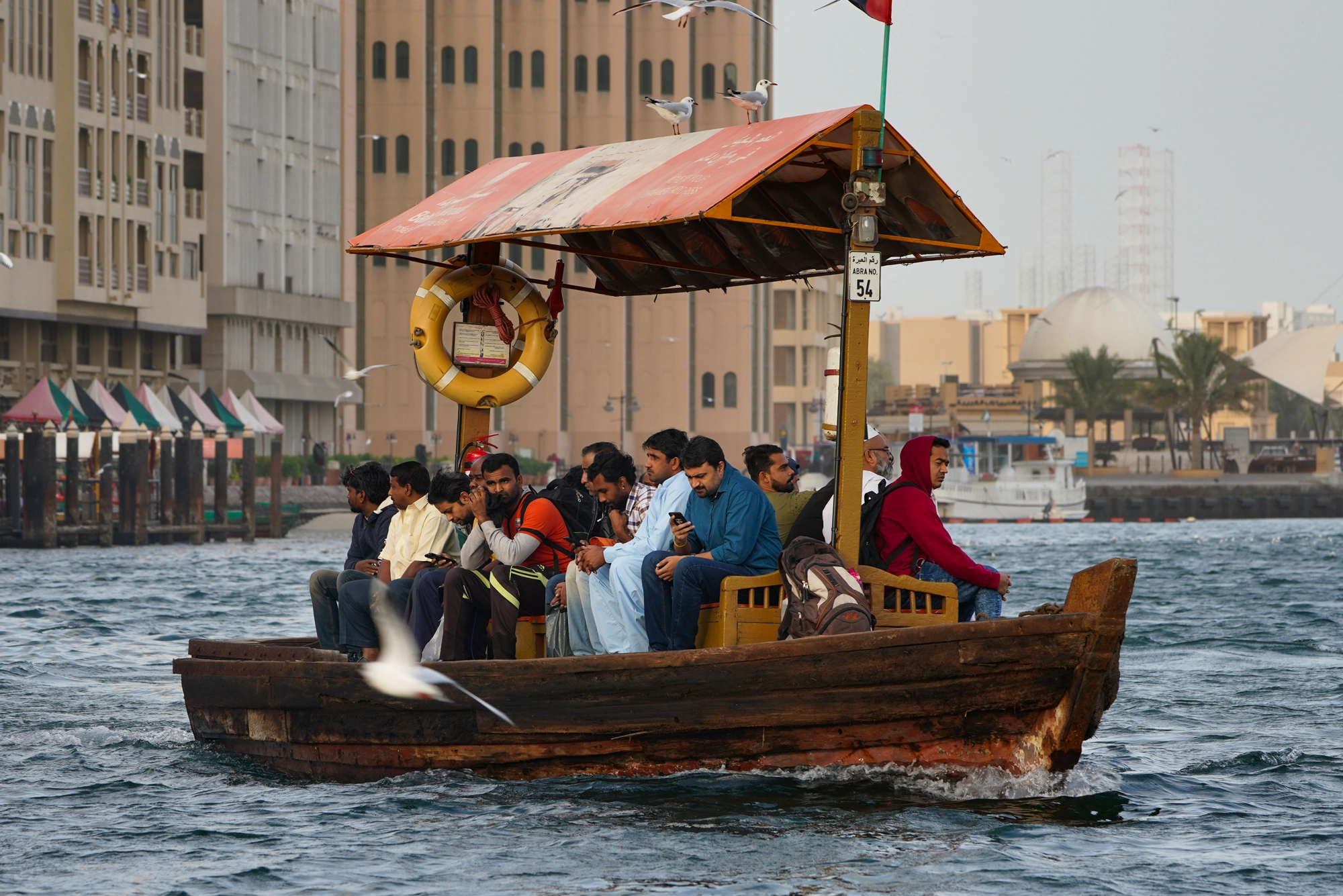
Abra Taxi – Dubai
Amid Dubai’s futuristic skyscrapers and unbridled luxury, a centuries-old tradition proudly endures: the Abra, the traditional water taxi. These small, simple wooden motorized boats shuttle from one bank to the other of Dubai Creek, the waterway that divides the city, connecting the historic districts of Deira and Bur Dubai quickly and efficiently.
Passengers, up to about 20 per boat, sit on side benches facing each other, enjoying the short crossing. Operated by the municipal transportation service, the ride has a very cheap flat rate, making it one of the most convenient ways to cross the Creek and avoid long rides on the surrounding roads.
Used by both residents and tourists, the Abras offer an authentic contrast to the glittering modernity of the surrounding metropolis, allowing you to admire the city from a unique perspective.
Taxi with animals
In some locations around the world, the most reliable engine still remains the animal one. These vehicles operate where modern vehicles are prohibited or ineffective, offering a pace of travel of yesteryear that fascinates travelers.
Camel Taxi/Camel Ride – Egypt
At the foot of the majestic Pyramids of Giza, the asphalt ends and gives way to the golden sand of the desert. Here, the taxi par excellence takes on the appearance of the resistant dromedary. The “Camel Taxis” offer visitors the opportunity to move between the ancient structures in an evocative way.
This type of transport directly recalls the ancient caravans that crossed the desert millennia ago. The swaying gait of the camel and the breathtaking view create a magical atmosphere. Turn a simple archaeological visit into an unforgettable historical adventure.
Donkey Ride – Greece
In the Greek islands, with their steep cliffs and narrow alleys, the donkey has always been an invaluable resource. But not only there: in other parts of the world with sandy or inaccessible soils, such as Egypt, Morocco and some rural areas of India, this animal is also essential.
In places like the island of Hydra, where cars are prohibited, so-called “Donkey Taxis” are still a daily reality today. On Santorini, on the other hand, donkeys are mainly used as a tourist attraction, especially on the staircase between the old port and Fira, as an alternative to the cable car, while cars can circulate freely on other roads.
The system is simple: a donkey, equipped with a saddle or a small cart and driven by a local driver, transports people and luggage over short distances, along steep or very narrow paths, where moving around with motor vehicles would be difficult or uncomfortable.
Although the term “Donkey Taxi” is a tourist nickname (locally it is more often referred to as “donkey ride” or “donkey transport”), this means of transport really exists and is still part of everyday life in some areas.
Although modern alternatives exist today, donkey travel remains a local icon, deeply linked to tradition and the territory, offering a rustic experience that takes you back in time.
Fiaker – Vienna
Vienna’s “Fiakers” are not just carriages, but real cultural institutions of the city. These traditional horse-drawn taxis, one of the most iconic symbols of the Austrian capital, circulate elegantly through the magnificent Old Town, offering a romantic and atmospheric way to explore the historic streets.
They generally carry two to four passengers and follow predefined tourist routes that touch places such as Stephansplatz, the Hofburg Palace and Schönbrunón, although you can book them for customized tours.
The coachmen, called Kutscher, often wear traditional clothes complete with a bowler hat. The rhythmic sound of hooves on the cobblestones accompanies the view of the imperial palaces, transforming each ride into a luxurious and nostalgic leap into the nineteenth century.
Dating back to the eighteenth century, the Fiakers are a historical symbol of Viennese tradition and today represent a tourist experience with a unique charm. A curiosity? Each carriage has an official license number, which is regulated directly by the city of Vienna.
Futuristic taxis
Aerospace engineering and advanced technology are completely rewriting the rules of passenger transportation. What until yesterday we considered pure science fiction, today takes shape in operational vehicles and revolutionary experiments.
Air Taxi
Air Taxis are small private means of air transport, such as helicopters, small planes or electric passenger drones (eVTOLs), designed for short or medium trips. They can generally carry 2-6 people and allow you to avoid land traffic, reaching destinations that traditional taxis cannot serve.
Today, however, Air Taxis are not yet available as city taxis in all cities.
Where You Can Really Fly With An Air Taxi Today
- China – Guangzhou and Wuhan
EHang has authorizations for flights with real passengers on eVTOL. Here you can book demonstration or sightseeing tours directly with the company. This is currently the only concrete way to try an Air Taxi today. - Dubai and Abu Dhabi (United Arab Emirates)
Take-off/landing stations and regulations for the commercial launch of the first eVTOL Air Taxis are under construction. - United States and Europe
There are only pilot programs and authorized tests in cities such as New York, Los Angeles, London or Paris. No eVTOL Air Taxis can be booked by the public today.

Each taxi is a unique journey
The world’s taxis clearly show us that getting around is not just about getting from point A to point B. Each vehicle tells the story of a place, its geographical challenges and the genius of its people. The extraordinary diversity of these vehicles celebrates infinite human creativity.
Next time you’re planning a trip, explore all the local transportation options to learn even more about the culture and history of the place you’re visiting. Let yourself be carried away by the real pulse of the city.
NOTE: The images taken from the official websites of the locations mentioned are published for illustrative and informational purposes only, non-profit. All rights belong to the legitimate owners; The author does not claim any ownership of it. We remain available for the immediate removal of the material if requested by the right holders. Out of respect for the animals, we have chosen not to show taxis pulled by them.